
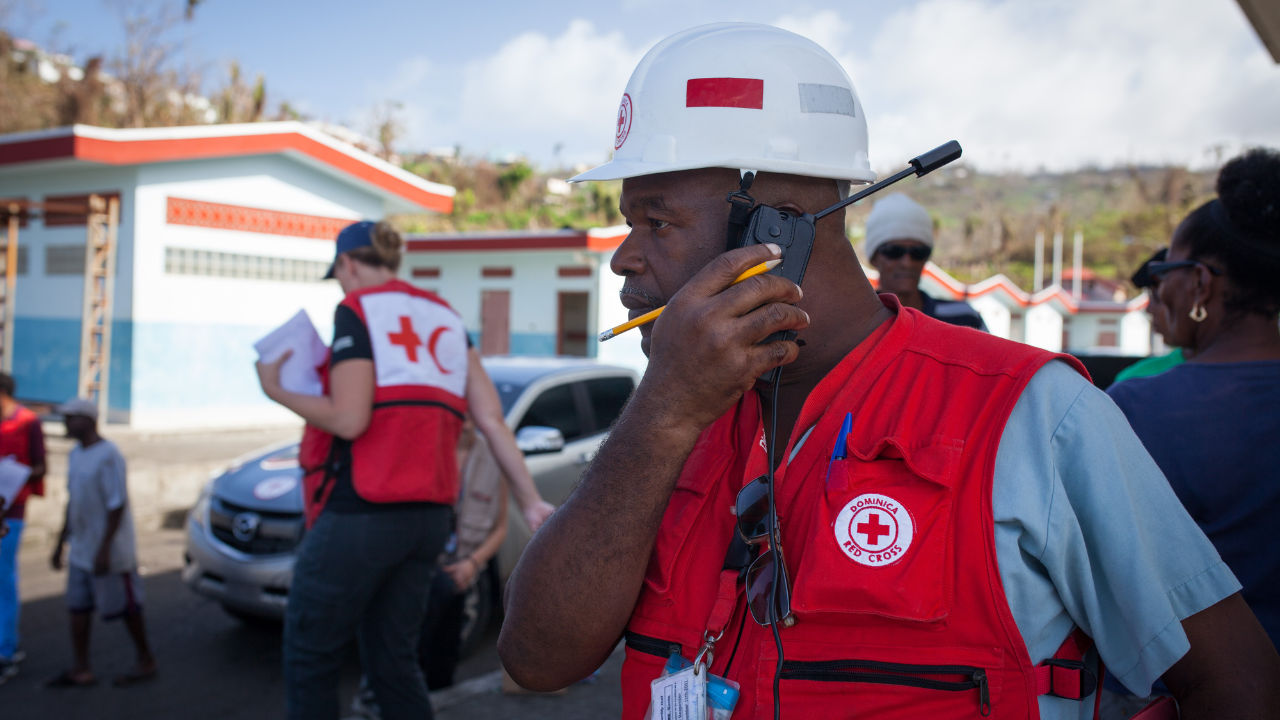
Operational Flashback: Analyzing Real Cases of Gender Equity and Leadership
The session was structured not as a traditional lecture, but as a space for courageous and honest debate to analyze how power dynamics, biases, and the lack of soft skills impact staff and volunteers in the field. Through a central thread connecting real testimonies from emergency operations, the speakers demonstrated that discussing leadership equity inevitably opens up critical pathways toward mental health, team care, and the sustainability of personal life.
The analysis began with the first presented case, which served to make visible a problem as common as it is invisible: silent exclusion.
The first testimony recounted how, after demanding order, clarity of information, and protocol compliance from her technical role, she was no longer included in decision-making spaces. This testimony evidenced that field exclusion does not always stem from overt gender discrimination, but rather from the defensive reaction of traditional leaderships that perceive questioning or the demand for structured processes as a threat to their authority. The speakers emphasized that this behavior is often unintentional. The operation leader frequently “did not even register” that they were excluding someone, which demonstrates a failure in assertive communication and active listening tools.
This deficit in leadership capacities connected directly to the second presented case, where exclusion and prejudice manifested openly in the face of generational handover. When a young female volunteer was appointed as her squad leader, part of the team refused to accept it, arguing that “someone so young cannot boss us around.”
Through this case, the session delved into the “Pandora’s box” that opens when youth and gender converge in a command position. It was exposed how, despite this leader achieving excellent results, institutional recognition was minimal, while also dragging along surrounding prejudices.
The stance of certain humanitarian panels that categorize female leaders as “better because they are multitaskers” was also criticized. The speakers denounced this label as a dangerous cultural trap that imposes an extremely high cost on women’s health and mental load, forcing them to work twice as hard to prove that their position is not a “favor.”
Weaving both cases together, the speakers identified that the current system mistakenly assumes that “whoever spends the most time in the office or in the field is the one doing the best job,” rewarding a culture of burnout. This requirement of 100% time availability generates structural discrimination. Operations usually prioritize profiles without family responsibilities. Those in charge of sons and daughters or older adults must assume or pay the extra cost of an external care network to be able to attend an emergency.
An alert was raised regarding how women of childbearing age postpone their family planning within the humanitarian movement due to the preconception that this work demands having no affective responsibilities outside the organization.
To break this inertia, a third case study was introduced to challenge superficial solutions. In one organization, it was precisely women in leadership positions who systematically left out gender and diversity perspectives. The conclusion of this testimony was clear: being a female leader does not guarantee having inclusive or feminist values. All human beings carry cultural backgrounds and individual biases; therefore, equity is not a matter of numerical quotas (although it was celebrated that the Red Cross has reached 50% of operations co-led by women), but rather a matter of the quality of that leadership.
The session closed by linking theory to the participants’ daily practice, proposing a transformation path ranging from the individual to the regulatory level:
- Daily Self-Reflection: Each participant was invited to dedicate a moment on their pillow, upon finishing exhaustive shifts in the early hours of the morning, to evaluate their own behavior: How did I treat my team today? Did I exclude anyone without realizing it? How is my own health (sleep, nutrition)?
- Safe Spaces: As a concrete good practice, the testimony of a new female volunteer was highlighted, noting how her team holds short meetings after each event to express how they feel. These safe spaces transform the figure of the “boss” into that of a “representative” or team member.
- Procedural Reforms (HR): It was clarified that inclusion cannot depend on the “goodwill” of the current leadership, as this is fragile. Competencies in diversity, inclusion, empathy, and non-negotiable leadership must be formally evaluated in regulations and recruitment processes.
- Internal Listening and Accountability: In the humanitarian movement, much is said about community engagement and accountability to communities (CEA). It will be difficult to actively listen to a vulnerable community if the organization is incapable of practicing active listening, mutual care, and equity within its own internal teams. The silence of exclusion is only broken by starting to speak.
Institutionalizing Anticipatory Action
The session addressed the importance of establishing proactive measures as a fundamental phase within the risk management process. This approach aims to reduce the effects of a weather or climate event that has been forecasted by official sources by implementing preventive actions before an alert is issued or an emergency is declared.
Anticipatory action involves the timely use of existing data, foreseeable trajectories, historical contexts, and the prior identification of communities that may be most affected in order to deliver supplies and mitigate impacts before the phenomenon strikes, citing as an example the distribution of water-retention materials during droughts to prolong water retention in the soil.
The Andean subregional experience was presented in detail by the Andean Committee for Disaster Prevention and Response (CAPRADE), a body of the Andean integration system under the General Secretariat of the Andean Community that includes Bolivia, Colombia, Ecuador, and Peru. This committee formalized its early action process during a subregional dialogue in Bogotá in mid-2025 under Colombia’s pro tempore presidency.
Currently, CAPRADE is organizing and formalizing a temporary technical group to develop a flexible regional roadmap, while working to mainstream the issue in the update of its Andean Regional Strategy for Risk Management through 2030. Additionally, an update was provided on its digital information platform so that the population of the Andean Community can contribute observations and operational proposals.
CAPRADE member countries are making key progress in institutionalizing anticipatory action: Bolivia is incorporating it into the update of its national risk management policy by the end of 2026; Colombia is updating a circular that is now being presented on its national risk reduction platform, with the aim of harmonizing the definition and understanding of anticipatory actions at the national level; Ecuador is in the process of comprehensively updating its national disaster risk management policy, which opens a window of opportunity to incorporate anticipatory actions from the very design stage; and Peru is collaborating with the World Food Programme to link it with adaptive social protection through advance cash transfers.
The experience in Central America, under the strategic framework of CEPREDENAC, reflects how El Salvador succeeded in elevating anticipatory action from a methodology to a permanent strategy of the National Civil Protection System. Based on its legal framework, it created a Special Commission and a technical group, consolidating a plan that includes minimum standards, a catalog of actions across three levels of decision-making, and the integration of hydrometeorological triggers linked to the El Niño phenomenon into its contingency plans.
Finally, Paraguay shared its experience through its Ministry of Agriculture and Livestock and has currently designed plans aligned with its National Climate Change Adaptation Plan. It has also approved, by ministerial resolution, pilot plans in three departments (addressing droughts, flooding, and multi-hazard approaches) with the goal of expanding them to all 17 departments in the country.
Protecting persons in the event of disasters
The session addressed two complementary dimensions of the same problem: how legal frameworks — or their absence — determine the speed, efficiency and equity with which humanitarian aid reaches people affected by disasters. On one hand, Jamaica’s concrete experience during Hurricane Melissa was presented as an example of what is possible when legal facilities are established in advance. On the other, the ongoing negotiation process at the United Nations for a binding international treaty on the protection of persons in disaster situations was reviewed, underscoring why that instrument matters not only to legal experts but to everyone who operates in the field.
Jamaica’s experience demonstrated the operational value of having a legal framework that can be activated in emergencies. Section 14 of the Disaster Risk Management Act allowed food, water, medical supplies and temporary shelter materials to be processed on a priority basis, eliminating customs and administrative bottlenecks. The port authority activated specific protocols that enabled the expedited entry of aid, including coordination with Royal Caribbean to transport relief supplies. Among other results, these measures made it possible to deliver 500,000 liters of water and restore water services to 17 communities. The lesson was clear: these facilities worked because they existed beforehand, not because they were improvised during the crisis.
The international treaty on the protection of persons in disaster situations is currently under consultation at the Sixth Committee of the United Nations General Assembly. This instrument, whose initial draft dates to 2016 and is grounded in the spirit of the Sendai Framework for Disaster Risk Reduction, seeks to establish a common legal foundation for all States in the management of disasters.
Its six core elements are: explicit recognition of the State’s responsibility to protect its population; universal coverage for any person affected by any type of disaster; a set of fundamental principles aligned with those of the International Red Cross Movement; the regulation of international humanitarian assistance; the incorporation of concrete legal facilities for operations; and the definition of its relationship with international humanitarian law in contexts where overlap with armed conflict situations may arise.
In practical terms, this treaty would translate into enforceable standards for all countries, greater clarity on roles and coordination channels, reduced response times, fewer obstacles at customs and border crossings, and lower financial costs stemming from discoordination. The treaty does not seek to replace existing national frameworks but to articulate them under a common understanding. The session closed with an invitation to all participants — operational staff and legal professionals alike — to follow this process closely, with a reminder that legal facilities are not exclusively a matter for lawyers: they are the invisible infrastructure that determines whether aid arrives on time or not.
National Red Cross Societies across the Americas can advise their States during the ongoing consultation process ahead of the treaty’s negotiation and expected adoption in 2027.
Surge Ready: National Societies Ready to Respond
The “Surge Ready” framework is a structured global initiative designed by the IFRC to assess, develop, and optimize the international deployment capacities of National Societies (NS). It aims to increase the efficiency and speed of humanitarian responses during crises by ensuring that personnel can be deployed smoothly, safely, and in full alignment with standardized global benchmarks. While built for international missions across all regions, the framework is highly flexible, allowing National Societies to adapt its tools for domestic emergency management or adjust targets based on their specific organizational resources.
Rather than acting as an isolated evaluation, “Surge Ready” uses a simple, cyclical five-step methodology that integrates into existing institutional capacity-building programs:
- Baseline Self-Assessment: Reviewing internal capacities using the framework’s indicators.
- Action Plan Development: Targeting specific gaps and leveraging existing strengths.
- Resource Mapping and Mobilization: Identifying internal or movement-wide funding, tools, and mentorship.
- Implementation: Executing the action plan across a realistic one- to two-year timeline.
- Reassessment: Repeating the cycle to measure growth and adjust to evolving procedures.
The framework analyzes organizational readiness across nine core areas that capture the full lifecycle of a deployment:
- Vetting and Safeguarding: Focuses on standardizing human resource protection tracks before personnel reach the field. Indicators include background and criminal record checks, reference checks, ID verification, active professional licenses, and mandatory behavioral self-declarations regarding misconduct.
- Duty of Care: Ensures the holistic safety and well-being of the deployable workforce. Key indicators encompass deployment-specific vaccination tracking, travel and medical insurance, security preparedness, direct security management support, and psychosocial support.
- Legal Framework: Validates the legal infrastructure underpinning rapid deployments, evaluating whether standard contracts, deployment-specific agreements, and legal templates are readily available to facilitate swift, lawful international assignments.
- Deployment Administration and Logistics: Covers practical operational support workflows, including visa and administrative processing, pre-deployment briefings, comprehensive post-deployment debriefings, and the provisioning of equipment.
- Workforce Availability and Capacity: Measures the viability of the human resource pool. It focuses on roster maintenance, ongoing engagement to sustain volunteer and staff interest, and robust business continuity planning to ensure the sending National Society is not left understaffed or compromised domestically while surging personnel abroad.
- Core and Technical Competencies: Anchors personnel development to global quality benchmarks. This evaluates the competency framework, delivery of mandatory pre-deployment learning, and continuous technical training opportunities between missions.
- Processes and Procedures for International Deployment: Assesses the harmonization of internal emergency protocols with global IFRC international deployment mechanisms and established response timelines.
- Financial Sustainability and Capacity: Evaluates the financial mechanisms supporting deployment. It reviews whether the National Society maintains an independent deployment fund or requires external financial backing/mechanisms from movement partners to sustain its surge roster and deployment activities.
- Register Management: Focuses on the underlying data infrastructure. This addresses database functionality, software tools for live tracking, roster support, and regular data updates to keep tracking systems actionable.
Each category is rated on a simple matrix: 0 (Basic/No capacity), 1 (Developing capacity), or 2 (Surge Ready/Autonomous). National Societies are not pressured to reach a score of 2 everywhere; instead, they discuss two strategic questions—Where are we now? and Where do we realistically need to be?—allowing them to build a plan to cover specific capacity gaps during an operation.
The practical value of this tool was recently demonstrated in a two-day, multi-departmental workshop with the Fiji Red Cross Society (FRCS). Bringing together 25 participants from Operations, HR, Logistics, Procurement, and Senior Management, the workshop aligned the surge framework with the society’s strategic goals. The FRCS focused on a dual vision: strengthening capacities locally at the branch level first, and then leveraging their strong regional connections to support other Pacific island nations through international deployments.
Early Warnings for all (EW4ALL)
Against a backdrop of increasingly complex, overlapping hazards—such as hurricanes, floods, droughts, and extreme heat—the Caribbean region is accelerating its operational readiness through anticipatory action and structured disaster preparedness. Originally launched globally in 2022, the EW4All initiative officially expanded to the Caribbean in 2023, starting in Barbados.
The progress of the initiative is systematically managed across four interconnected pillars:
- Disaster risk knowledge: Partner nations have moved from stakeholder mapping to localized gap analyses and implementation roadmaps, with rollouts progressing through countries like Barbados, Antigua and Barbuda, Guyana, Haiti, Belize, Grenada, St. Kitts and Nevis, and Suriname. Led by UNDRR, this pillar addresses critical data fragmentation. It emphasizes building data ecosystems that combine historical data, probabilistic modeling, and impact-based forecasting to evaluate not just the hazard itself, but who and what will be exposed and vulnerable.
- Detection and monitoring: Handled under the guidance of the World Meteorological Organization (WMO), this pillar concentrates on the national hydrometeorological services’ value chain—focusing on observation networks, telemetry, data availability, and accurate forecasting to feed actionable alerts directly to decision-makers.
- Dissemination and communication: Spearheaded by the International Telecommunication Union (ITU), this pillar emphasizes establishing comprehensive National Emergency Telecommunications Plans (NETPs) to secure multi-channel delivery networks, cross-border cooperation, and rapid infrastructure restoration. To ensure public safety alerts reach remote and isolated communities without cellular network congestion, the ITU is driving the synchronized adoption of the Common Alerting Protocol (CAP) alongside targeted geolocation-based Cell Broadcast projects across ECTEL member states.
- Preparedness and response capabilities: Moving away from traditional reactive response strategies that occur after disaster strikes, regional entities (such as the Belize Red Cross) are running pioneering multi-stakeholder simulations via frameworks like CAPCLIMA. These protocols unlock early actions (e.g., securing structural plywood or mobilizing cash/item assistance) up to three days before an expected cyclone makes landfall. Community consultations—including dedicated modules with youth, women, and men—reveal that early evacuations to designated shelters are frequently delayed by local concerns over home security and vandalism.
The session concluded with several high-level operational recommendations to guide the initiative:
- Strategic Technology Integration (With Caution): While artificial intelligence and machine learning serve as powerful tools to accelerate risk modeling and optimize response workflows, they must never be followed blindly. Artificial intelligence must be filtered through human common sense, rigorous institutional criteria, and localized judgment to preserve public trust in official notifications.
- Prioritize Impact Over Forecast Volume: The ultimate metric of success for early warning systems is not the quantity or numerical precision of meteorological forecasts. True success depends on ensuring that alerts are timely, trusted, easily understood by the general populace, and directly tied to clear operational actions.
- Cross-Pillar Coordination: Early warnings cannot operate effectively in silos. All four pillars must function as a synchronized, interconnected system where data gathered in the technical phases directly empowers community-level evacuation and response readiness.
- People-Centered and Inclusive Focus: All risk-reduction strategies, warning formats, and dissemination channels must remain fundamentally centered on human dignity. Systems must be intentionally designed to meet the multi-lingual, accessible, and practical needs of the most marginalized populations, ensuring no one is left behind at the “last mile”.
From Partnership to Impact: Harnessing Private Sector Potential in Emergencies
The session opens with a stark reminder that humanitarian responses do not begin when a disaster hits, but rather much earlier through intentional preparation and trust-building. Latin America and the Caribbean currently stand as the second most disaster-affected region in the world, with 9 out of 10 of these disasters being directly climate-related.
In 2024 and 2025, the region was battered by unprecedented overlapping crises, including devastating forest fires in Chile, massive climate floods in Brazil, historic low water levels in the Amazon River at Manaos, and Category 5 Hurricanes Beryl and Melissa. Hurricane Melissa alone inflicted an estimated $9 billion in damages to Jamaica, contributing to total regional losses between $48 billion and $52 billion.
Globally, there are currently more than 305 million people in urgent need of humanitarian assistance. While human vulnerability and disaster frequency are rapidly climbing, the traditional humanitarian funding system is facing a massive financial crisis. Between 2024 and 2025, more than 30% of global humanitarian funding completely disappeared.
To transform private sector goodwill into predictable, long-term funding and operational support before a crisis arrives, organizations must utilize a Corporate Social Investment Portfolio. This multi-year negotiation tool offers distinct operational steps or investment strategies:
- Employee-Company Match Campaigns, cause-realted product campaigns and in-store change round-up campaigns: This mechanism works exceptionally well with large enterprises.
- Pre-Planned In-Kind Donations: Working with companies ahead of time to map out logistical materials and inventory needed during a crisis.
- Corporate Volunteering and Red Cross business training workshops: Acting as an essential “door opener” for corporate relations, organizations must clearly structure volunteer pathways. Designing a B2B business model where the Red Cross provides specialized training (e.g., accident prevention, risk management) to corporate staff.
- Investment Fund Annual Yields: Encouraging corporations to allocate a percentage of the annual financial returns generated by their capital in national or international stock market funds.
- Social Investor Advisory Council Integration: Inviting business leaders onto corporate advisory councils.
- Visibility Benefits for Corporate Social Responsibility: Providing strategic public exposure across the organization’s websites, news blogs, and social media channels. This helps companies strengthen their public reputation and corporate image as socially responsible entities.
- Donor Loyalty and Cultivation Protocols: Creating systematic pathways to keep corporate partners constantly informed via mid-year or end-of-year reports, field project visits, and direct contact with beneficiary communities to cultivate and scale the relationship over time.
- Disaster Fund Overhead Allocation: Structuring a mandatory 10% overhead into all corporate project proposals. This specific allocation covers institutional visibility.
The American Red Cross Perspective: Managing over 60,000 annual disasters requires viewing the private sector as an active, front-line partner rather than an isolated “back-end funder”. Relationships must be maintained through direct communication (emails, walkthroughs) during stable times, educating corporate partners on how to tap into services and protect their own employees before landfalls occur.
A massive barrier to active response is the lack of coordination, which leads to “communication fatigue”. When multiple humanitarian actors frantically inundate businesses with duplicate demands during a crisis, it causes operational paralyzation.
To prevent handshakes on paper from failing on the ground, social portfolios must be explicitly mapped out to align with the company’s specific business model, Environmental, Social, and Governance (ESG) standards, and Sustainable Development Goals (SDGs).
The Director General of the Guatemalan Red Cross summarized the operational path forward into three clear pillars:
- Rapid financing is never the product of improvisation.
- Radical Simplification of Processes
- National Societies and corporate executives must immediately audit their existing memorandums of understanding (MoUs) by asking a difficult, defining question: “If a crisis hits tomorrow, is our alliance genuinely ready to activate, or is it just a piece of paper?” All future corporate alliances must be measured strictly by their tangible impact on the ground.
Logistics and Supply Chain Management
The greatest challenge in humanitarian response is time. Waiting for a disaster to strike before initiating procurement and mobilizing supplies creates critical delays; therefore, prepositioning emerges as an indispensable strategy to shift from simple reaction to active readiness. This practice enables a faster and more efficient response, ensuring the availability of assets before the impact of an event.
Logistics is not limited to transportation and warehousing; it functions as the engine that connects planned needs with final distribution. Without comprehensive logistical preparedness, the supply chain can turn into a bottleneck for the entire operation. In this regard, effective prepositioning transcends the mere existence of stock in a warehouse and involves complete operational readiness: inventory control, highly trained personnel, ready documentation, agile activation mechanisms (based on weather alerts or emergency declarations), constant mapping of routes and customs, and prior strategic alliances with suppliers and public institutions.
To optimize resources and confront multiple and simultaneous risks, the Americas region has consolidated a Regional Prepositioning Strategy coordinated through a network of satellite strategic logistics centers located in Honduras, the Dominican Republic, Trinidad and Tobago, and Argentina, operating in close connectivity with the strategic hub in Panama.
This regional logistics network offers fundamental advantages: it reduces response times by bringing aid closer to the highest-risk areas, provides subregional coverage, and optimizes operational costs through the consolidation of standardized inventories (such as kitchen, shelter, cleaning, water kits, and more). Furthermore, it functions as a mechanism for solidarity and balance, offering immediate support to those National Societies (NS) that possess limited independent storage capacities. The central objective of this planning is to guarantee a scalable and immediate response within the first hours of an emergency, managing to assist 4,000 families in the first 48 hours and expanding coverage to an additional 15,000 families within a 14-day period.
Dominican Republic: The Humanitarian Logistics Corridor
In 2010, the Dominican Red Cross lacked a warehouse with minimum response capacities. In the face of this vulnerability, the initiative to build a logistics corridor with coverage for the Dominican Republic, Cuba, and Haiti was born. Funded by the European Union (ECHO), BHA/USAID, and the Government of Belgium, the 1,544 $m^2$ infrastructure was inaugurated in 2021. With a permanent capacity to assist 5,000 families, this corridor has made it possible to serve 77,500 families across 7 events during its first four years (including the 2021 Haiti earthquake and the 2023 floods), averaging an assistance of 2,000 families per year.
Jamaica: Lessons from Hurricane Beryl
The Jamaica Red Cross demonstrated the effectiveness of early action by activating early emergency financing from the IFRC-DREF and prepositioning 25 metric tons of relief supplies across its branches four days before the hurricane’s impact. Despite facing severe operational constraints—such as a lack of independent transportation, blocked roads, and the breakdown of their forklifts—the Jamaica Red Cross overcame these challenges thanks to the deployment of the rapid response team, customs agility achieved through prior agreements with local brokers, and the support of government ministries. Following the emergency, Jamaica trained 5 branches in logistics and projects the creation of 3 regional warehouses (in Saint James, Manchester, and Kingston), along with the expansion of its headquarters as a regional logistics hub for the Caribbean.
Colombia: Cooperative Innovation with HULO
In Colombia, the alliance with HULO, a humanitarian logistics cooperative co-funded by the European Union, redefines supply chain efficiency through the pooling of resources among more than 20 organizations (including the IFRC). Their joint initiatives encompass consolidated procurement of food kits, shared mobility, and sustainable solutions such as the collection of waste electrical and electronic equipment (WEEE).
This economy of scale is supported by two digital tools:
- ELSAH: A transparent database that connects 109 organizations with more than 800 local suppliers, optimizing costs by purchasing close to the point of action.
- Shared Resources: A mobile application for humanitarian actors to share assets such as offices, consultancies, and warehouse spaces in real time. The impact is reflected in savings of between 8% and 15% on airline tickets and the strengthening of the local market to supply both domestic demand and solidarity exports to other countries in the region.
Volunteering in Emergencies: Mobilization, Management and Retention
Volunteering is fundamental for community resilience and humanitarian action. National Societies (NS) require robust volunteer management systems before, during, and after crises to deliver quality services. Given that volunteers are part of the community and suffer the impact of disasters in the same way, it is an institutional responsibility to guarantee a comprehensive duty of care. This involves safeguarding their mental health, actively monitoring their needs, and offering psychosocial support. Caring for those who care means ensuring they have uniforms, equipment, and coverage, thereby eliminating barriers and requirements that hinder their vocation for service.
Experiences and Best Practices of National Societies
The Ecuadorian Red Cross operates under the Unified Emergency Response Procedure across its 24 provinces. In the face of major crises, the team formalized the role of “Emergency Volunteering” to incorporate external individuals for eight-day periods for specific tasks. This entire operational force is managed through the SISTEMA CIVIL, a national digital platform that manages information, activates insurance policies, and registers participation in real time.
The Ecuadorian Red Cross promotes innovation in all phases of the management cycle. From registration to training, it implements its own E-learning platform and virtual volunteering modalities. Furthermore, this management cycle is fully linked to the institutional regulations of the National Society, turning the use of these effective management tools into a national directive.
With an average of one emergency per minute, the Costa Rican Red Cross operates under the protection of the Costa Rican Red Cross Law, which recognizes the auxiliary role of the Red Cross and protects volunteers, in addition to granting them permission to be mobilized with paid leave after notifying their employers, avoiding the use of their vacation time.
At an operational level, they protect their nearly 6,000 volunteers (aged 8 to 93) with an accident insurance policy equivalent to the occupational hazard coverage of paid staff. Likewise, they implement a Solidarity Fund to provide financial or in-kind assistance to Red Cross members whose homes are affected during disasters. Their strategy is enhanced through alliances: agreements with DHL (logistical support), Guides and Scouts (facilities), and universities that provide psychosocial support, physiotherapy, and medical care for staff at the Operations Center.
A central message of the session is that retention should not be the objective, but rather the cause. A satisfied, protected volunteer who is involved in decision-making and enjoys a good institutional environment will attract others; conversely, an dissatisfied volunteer will drive away potential members by conveying that the institution does not care for them. To ensure this satisfaction, the panelists concluded with three essential strategies:
- Diversification and adaptation to the context: There is no single recipe. Strategies that work in urban areas do not apply to border or rural zones, where volunteers sometimes walk for entire days to serve. Diversification (such as virtual or project-based professional volunteering) allows the humanitarian offer to be adjusted to each individual’s reality.
- Active listening and co-creation: Applying participatory tools, such as Costa Rica’s biennial Motivation and Satisfaction Survey or Ecuador’s national encounters, to boost motivation.
- Valuing time and transparency: Recognizing time as the most valuable asset. Quantifying the volunteer contribution in hours and translating it into its equivalent economic impact makes the real value of the Red Cross visible to governments and society, serving as an argument to defend volunteer protection laws.